10 Signs You Should See a Psychiatrist
The decision to visit a psychiatrist can be difficult. We often convince ourselves that “it will pass,” “others have it worse,” or “I can handle it on my own.” However, early intervention by a specialist can significantly shorten suffering and prevent problems from worsening. Below are ten warning signs that should prompt you to schedule an appointment.
1. Persistent sadness lasting over 2 weeks
We all experience bad days, but if low mood, emotional emptiness, or sadness persist for more than two weeks and do not subside despite rest or support from loved ones—it is a sign that you need professional help. Long-term low mood can be a symptom of depression, which requires treatment.
2. Anxiety paralyzing daily functioning
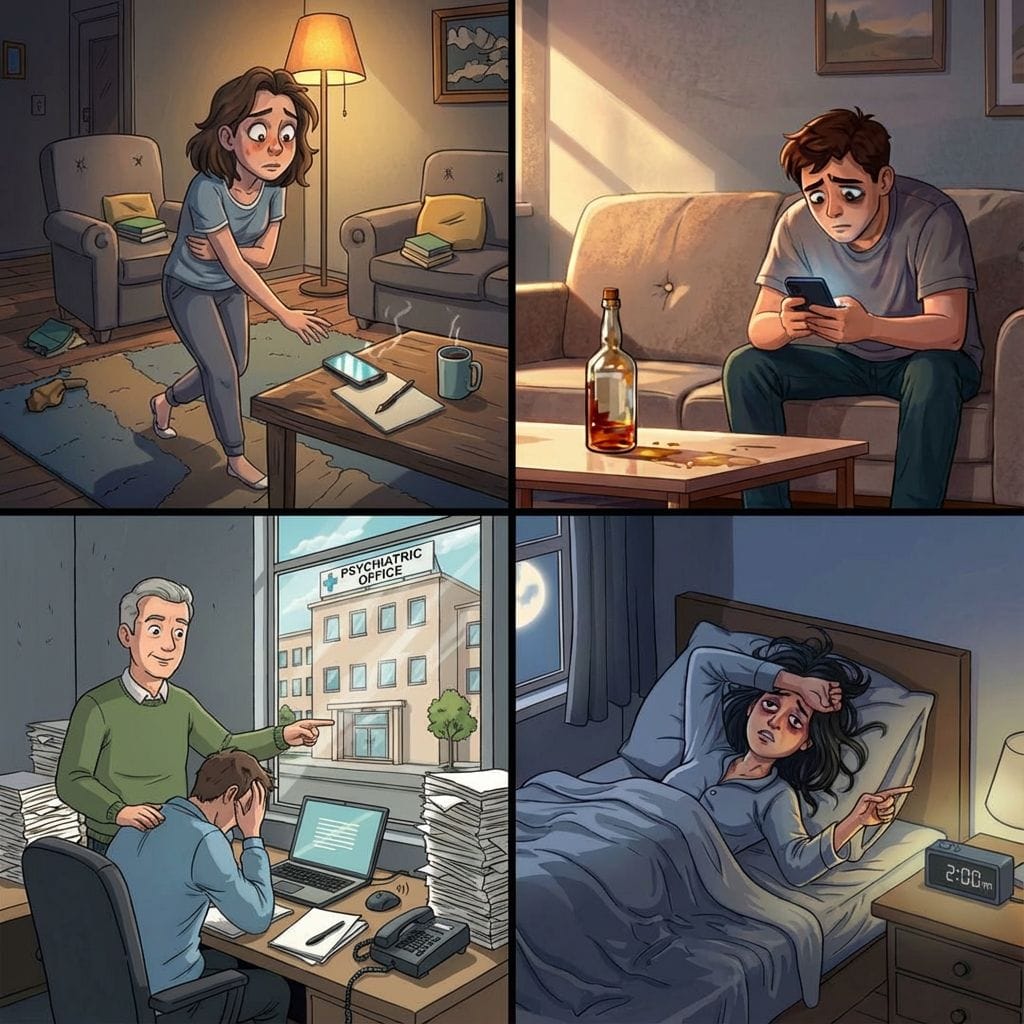
Anxiety before an exam or an important meeting is natural. What is concerning, however, is when anxiety prevents you from leaving the house, interacting with people, handling basic chores, or performing professional duties. Panic attacks, constant tension, or obsessive worries significantly lower your quality of life—and they don’t have to.
3. Sleep problems – insomnia or excessive sleepiness
Sleep is the foundation of mental health. If you haven’t been able to fall asleep for a long time, wake up at night and cannot go back to sleep, or conversely—you sleep for 12–14 hours and still feel exhausted, your body is signaling a problem. Sleep disorders can be a standalone health issue, but they very often accompany depression, anxiety, and other mental health conditions.
4. Suicidal thoughts
This is the most critical point on this list. If you experience thoughts of death, self-harm, or suicide—whether they are fleeting or persistent—seek help immediately. You do not have to wait for the “right moment” or feel strong enough. Call a clinic, a crisis hotline, or go to a psychiatric hospital emergency room. This is a crisis that requires urgent intervention.
5. Sudden and intense mood swings
Do you go from euphoria to despair within hours? Are your emotional reactions disproportionate to the situation? Do your loved ones find it hard to “keep up with you”? Emotional instability can indicate bipolar disorder, personality disorders, or other conditions requiring psychiatric diagnosis.
6. Social withdrawal
If you are increasingly skipping social gatherings, avoiding people, cutting yourself off from friends and family, and the thought of any social contact overwhelms you—this is a red flag. Isolation often exacerbates mental health problems, creating a vicious cycle that is hard to break without support. Social withdrawal accompanies many mental disorders—from anxiety and depression to psychotic disorders, including schizophrenia.
7. Difficulties at work or school despite effort
Have you noticed a drop in concentration? Can’t focus on tasks you used to perform without a problem? Despite your efforts, is your productivity falling, and do simple activities require enormous effort? This could be a symptom of depression, ADHD, burnout, or other disorders affecting cognitive functions.
8. Misuse of alcohol or other substances
Turning to alcohol, drugs, or medication (other than prescribed) as a way to cope with stress, emotions, or sleep problems is a major red flag. Psychoactive substances may provide initial relief, but in the long run, they deepen mental health issues and lead to addiction.
9. Physical symptoms with no medical cause
Chronic headaches, stomach aches, muscle tension, heart palpitations, dizziness—when subsequent medical tests do not confirm a physical cause, the problem may lie in the psychological sphere. The body and mind are inextricably linked, and stress or mental disorders often manifest as physical symptoms.
10. Loved ones express concern about your state
If more than one person in your life says they are worried about you, notices troubling changes in your behavior, or suggests seeing a specialist—it is worth taking seriously. Sometimes, people on the outside see changes that we ourselves do not notice or tend to downplay.
Remember: Seeking help is a sign of maturity, not weakness
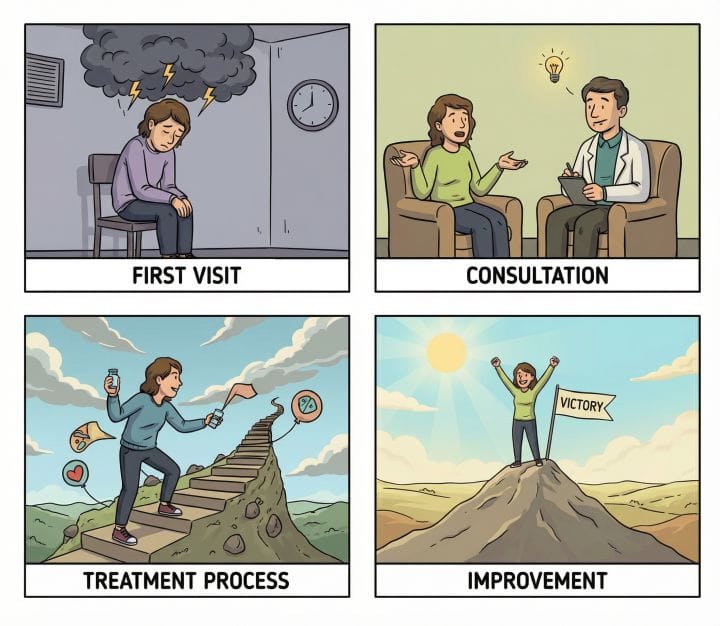
A visit to a psychiatrist is not a sentence or a cause for shame. It is simply a consultation with a specialist, much like a visit to a cardiologist for heart problems. A psychiatrist will conduct a detailed assessment (mainly based on conversation and, if necessary, additional tests or consultations with other specialists). If needed, they will propose appropriate treatment (therapy, pharmacotherapy, or a combination of both) to support you on your journey to feeling better.
You don’t have to wait until things are “really bad.” The earlier you take action, the easier it will be to regain your balance.
If you recognize any of the above signs in yourself—I encourage you to get in touch. Together, we can find a path to improving your well-being.